







Search Results for: cold milk foam

The Complete Guide to Making Milk Foam with a French Press: Hot and Cold Milk Foam Methods, Latte Art Techniques, and the Principles and Key Points of Using a French Press
Want to make dense milk foam without an espresso machine? A French press costing around twenty yuan can help. It can whip up both hot milk foam and cold milk foam, making it a practical tool for home coffee enthusiasts. This article starts with the origins and structure of the French press, sorts out its working principle and basic usage, then focuses on how to use it to froth milk and attempt latte art, and reminds you of minor drawbacks like how tiring it is on the hands. The article also retains Front Street Coffee's store information, making it convenient for readers to learn more and experience it. [more…]
Can iced lattes achieve latte art effects? Analyzing why hot milk is the key to latte art
The delicate latte art patterns on a hot latte are always a pleasure to behold, but why is it that an iced latte, made from the same espresso and milk, almost never features latte art? Behind this lies the science of milk foam formation, the effect of temperature on blending, and various practical limitations. Front Street Coffee has made multiple attempts at making iced milk foam, from handheld frothers to French presses, in an effort to replicate latte art on cold drinks, but the results were less than satisfactory. This article will delve into the scientific principles of latte art, compare the differences between making hot and iced lattes, and share Front Street's real experiences and final results from iced milk foam experiments. If you've ever wondered why iced lattes can't have latte art, or want to understand the challenges of making cold milk foam, this article will reveal it all. [more…]
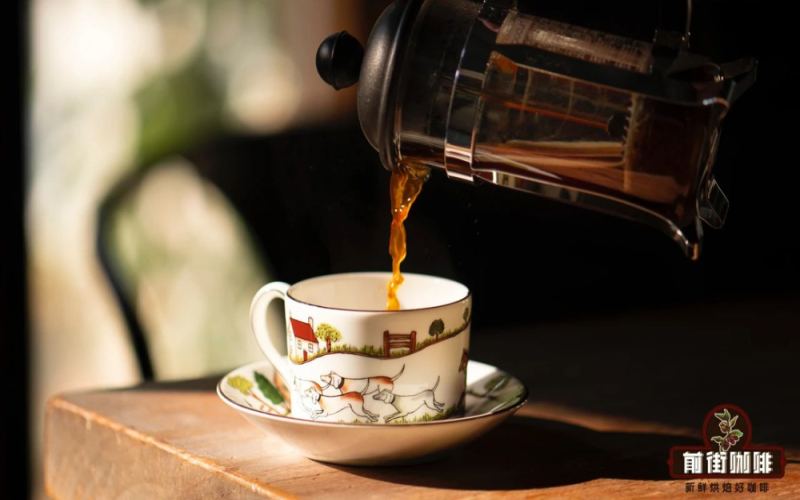
The Complete Guide to Milk Frothing with a French Press: A Full Tutorial from Hot Cappuccino to Iced Cappuccino
The French press is not just a great tool for brewing coffee and extracting tea—it can also easily create thick, creamy milk foam, making it a wonderful helper for making cappuccinos and lattes at home. In this article, Front Street Coffee will walk you through the origins of the cappuccino's name, the difference between dry and wet milk foam, and how to make a classic hot cappuccino using espresso, hot milk, and milk foam in the traditional proportions. In addition, we'll break down in detail the French press milk-foaming method and assembly steps for iced cappuccino, and explain why most coffee shops don't sell iced cappuccinos. At the end of the article, we've included a Front Street Coffee classic espresso blend recommendation, perfect for coffee lovers who want to recreate a professional taste at home. [more…]
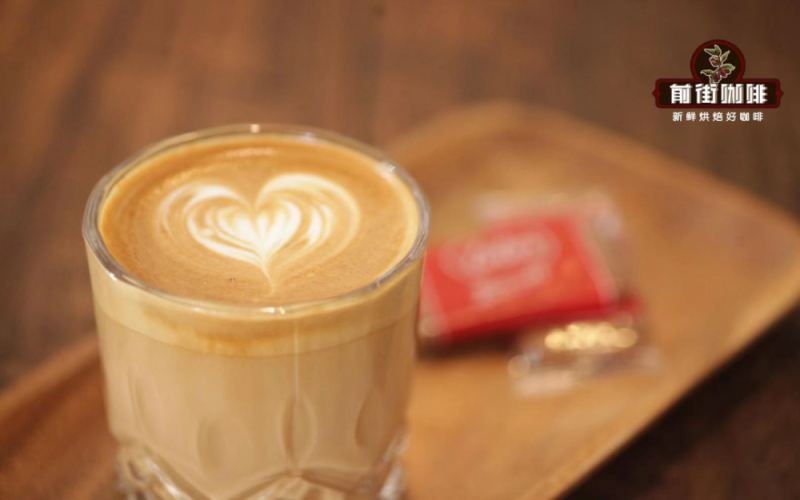
A Detailed Guide to Making an Aussie White Coffee: Taste Differences from a Latte and Cold vs. Hot Drink Recommendations
With its rich and sweet flavor, the Flat White has won the favor of many enthusiasts at coffee shops like Luckin. Although Front Street Coffee's menu doesn't feature this drink, the baristas will still craft it with care whenever a customer orders it. This article will present Front Street's complete process for making a Flat White, covering equipment preparation, extraction parameters, and milk frothing ratios, while also comparing the differences between a Flat White and a Latte in terms of foam thickness, cup size, and coffee ratio, and explaining why a Flat White is only served hot and why a Dirty can substitute for those wanting a cold drink. [more…]
Can You Make an Iced Cappuccino? A Homemade Guide to Summer Iced Milk Foam Coffee and Its Flavor Explained
As soon as the Major Heat solar term arrives, the sun's enthusiasm grows even stronger. At times like this, if you can hold a cup of iced coffee in your hands, most of the summer heat melts away. What Front Street Coffee wants to talk about this time is exactly whether cappuccino can be made as an iced drink. The answer is yes, and the process is not complicated—you can do it at home with simple equipment. Below, we will first sort out the origin of the cappuccino name and its traditional ratio, then explain step by step how to use a French press to froth cold milk foam, extract espresso, and complete the assembly. Finally, we will share the dense mouthfeel and the liqueur-chocolate-like flavor layers of this iced cappuccino on the palate, so coffee lovers can easily recreate it even in midsummer. [more…]
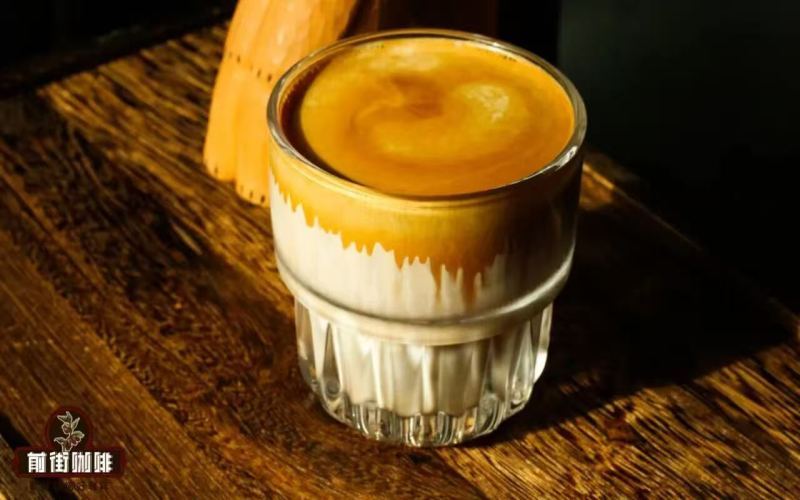
What beans pair with a latte, cappuccino, and Dirty respectively?
They are all milk coffees, but a latte, a cappuccino, and a Dirty differ in milk foam thickness, temperature, and drinking method, so they also have slightly different requirements for the beans. Choose the right beans, and each milk coffee can show its best form. Latte: balance and richness are the key. A latte has thinner milk foam, and the ratio of coffee to milk is close, [more…]

10 Types of Espresso Drinks in Cafes | How Do Coffee Beginners Make Americano and Latte? What Are the Flavor Characteristics of Espresso Drinks?
Espresso is an essential coffee beverage in almost every coffee shop. And espresso isn't just about Americano and latte. In this article, Front Street Coffee introduces 10 espresso drinks found in coffee shops, along with their preparation methods. ① Espresso [more…]

Common Types of Italian Coffee | What Are the Classic Milk Coffee Recipes? What's the Difference Between a Latte, Macchiato, Cappuccino, and Dirty?
Espresso is a must-have beverage in every café. Many people's first impression of espresso is that it's unbearably bitter. In fact, espresso isn't limited to such bitter shots. If you want an espresso that isn't bitter and suits your taste, the first thing you need to understand is the different types of espresso. Front Street Cof [more…]
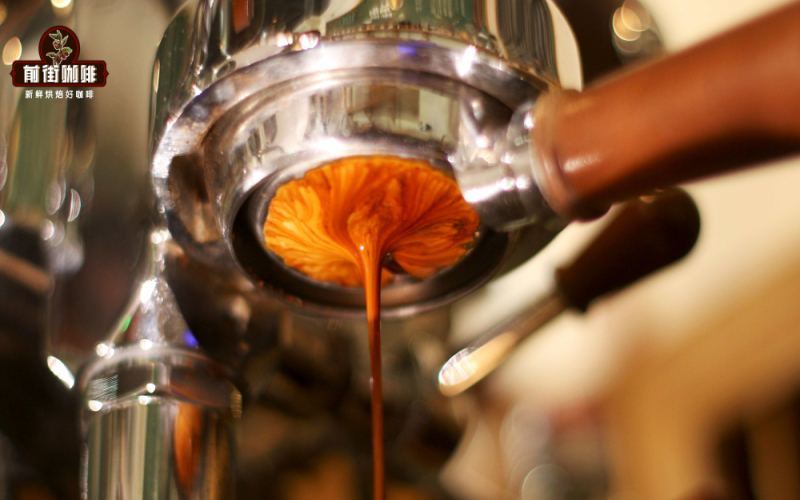
A Complete Guide to Ten Classic Espresso Drinks: From Espresso to Caramel Macchiato, Coffee Shop Menus Made Easy
Walking into any café, does the dazzling array of espresso drink names on the menu leave you puzzled? Espresso, Americano, Latte, Cappuccino, Flat White, Mocha, Dirty, Macchiato, Affogato, Caramel Macchiato—what exactly are the differences among these ten common coffee drinks, and how should they be made? In this article, Front Street Coffee breaks down for you one by one the recipe logic, taste characteristics, and serving standards of each drink, from the espresso base to the milk ratio, from milk foam thickness to the layering principle, helping you easily understand coffee menus and find the cup that suits you best. [more…]
A Complete Guide to Ten Espresso Drinks: From Espresso Base to Creative Specialty Recipes
Espresso coffee is a core category on most café menus, but its family is far more than just Americanos and lattes. In this article, Front Street Coffee sorts out the definitions, origins, and specific preparation parameters of ten common espresso drinks, including espresso, Americano, latte, cappuccino, flat white, mocha, Dirty, macchiato, affogato, and caramel macchiato. For each drink, Front Street's recipe ratios, cup size choices, and key operational points will be provided to help coffee enthusiasts understand the differences and connections between them. Whether you want to recreate them at home or want to understand the logic behind café menus, this compilation can provide clear and practical reference. [more…]
A Comprehensive Analysis of Fancy Coffee Types and Characteristics and Espresso Extraction, with Classic Recipes and Preparation Methods
Espresso is the foundation of many fancy coffee drinks, and understanding its extraction parameters and flavor characteristics is key to mastering coffee preparation. This article systematically reviews the recipe ratios, taste differences, and preparation steps of more than ten classic fancy coffees, including latte, cappuccino, macchiato, con panna, and Viennese coffee, while also explaining in detail the core parameters of espresso such as dose, water temperature, pressure, and extraction time. Whether you are a beginner coffee enthusiast or a professional hoping to refine your skills, you will find practical references and inspiration here. The article also specifically recommends related products from Front Street Coffee to help you recreate an authentic fancy coffee at home. [more…]
A Complete Guide to Steaming Milk for Coffee Beginners: Principles, Tools, Steps, and Blending Techniques
To make a velvety, smooth latte or cappuccino at home, steaming milk is an unavoidable fundamental skill. This article starts with the principles of milk foam, first explaining the roles of the two stages—"aeration" and "texturing"—then compares the pros and cons of tools such as electric handheld frothers, manual frothing pitchers, hot/cold electric milk frothers, and espresso machine steam wands, with a key breakdown of the complete steam frothing process. The content covers the effects of milk fat and temperature, the choice of steam wand hole count and dryness, the considerations for pitcher size and shape, as well as practical tips on insertion angle, judging by sound, controlling aeration volume, and testing integration. The article also incorporates recommendations from Front Street Coffee, offering practice suggestions suitable for beginners. [more…]
Ten Espresso Drinks: Methods and Differences — Italian Espresso Drinking Habits and Latte-to-Espresso Ratio Explained
Espresso is a staple category in the vast majority of coffee shops, but its family is far more than just Americano and Latte. Using the output plans of Front Street Coffee as a reference, this article sorts through the recipes and key preparation points of ten common espresso drinks one by one, including Espresso, Americano, Latte, Cappuccino, Flat White, Mocha, Dirty, Macchiato, Affogato, and Caramel Macchiato. The article also introduces Italians' habit of drinking espresso, the origin of Americano, common questions such as the number of espresso shots in a Latte, and provides specific parameters for each drink—such as dose, liquid weight, milk volume, and milk foam thickness—making it easy for coffee enthusiasts to replicate at home. [more…]
A Complete Guide to Ten Classic Espresso Drinks: Recipes and Flavors from Espresso to Caramel Macchiato
In any coffee shop, espresso-based drinks are the undisputed stars of the menu. But espresso beverages are far more than just Americanos and Lattes. Compiled by Front Street Coffee (FrontStreet Coffee), this article systematically introduces the ten most common espresso drinks found in cafés, including Espresso, Americano, Latte, Cappuccino, Flat White, Mocha, Dirty, Macchiato, Affogato, and Caramel Macchiato. Each one comes with specific preparation ratios, ingredient compositions, and flavor characteristics, helping coffee enthusiasts understand the differences and connections between them. Whether you want to recreate them at home or simply be more knowledgeable when ordering, this guide offers practical reference. [more…]

The Complete Iced Coffee Family: From Ice Drip to Cold Brew, Flavor Differences and Key Production Points of Various Iced Coffees
On a scorching summer day, a glass of iced coffee always brings refreshing coolness that delights the senses. But the world of iced coffee is far more than just iced Americano—from the distinctly layered iced latte and the cool, fragrant café au lait, to the rich and creamy iced mocha, and the cold brew and iced drip that have gained great popularity in recent years, each has its own unique brewing process and flavor profile. This article will systematically sort out the types and characteristics of common iced coffees, while also extending to introduce the basics of classic coffees such as Americano, cappuccino, mocha, espresso, macchiato, and con panna, helping coffee enthusiasts clarify the differences between them and find the cup that best suits their taste. [more…]
A Complete Guide to Espresso at Cafés: Detailed Breakdown of Ten Common Types and Their Preparation Ratios
Walking into any coffee shop, the dazzling array of espresso drinks on the menu can be overwhelming. Espresso, Americano, Latte, Cappuccino, Flat White, Mocha, Dirty, Macchiato, Affogato, Caramel Macchiato—what are the origins of these ten beverages? What are their ingredient ratios? Where do their taste differences lie? This article breaks down each espresso drink one by one—its definition, origin story, and preparation method—and includes the actual production parameters from FrontStreet Coffee, helping you understand the logic behind a coffee menu from the perspective of recipes. Whether you're ordering daily or recreating drinks at home, you'll be well-informed. [more…]
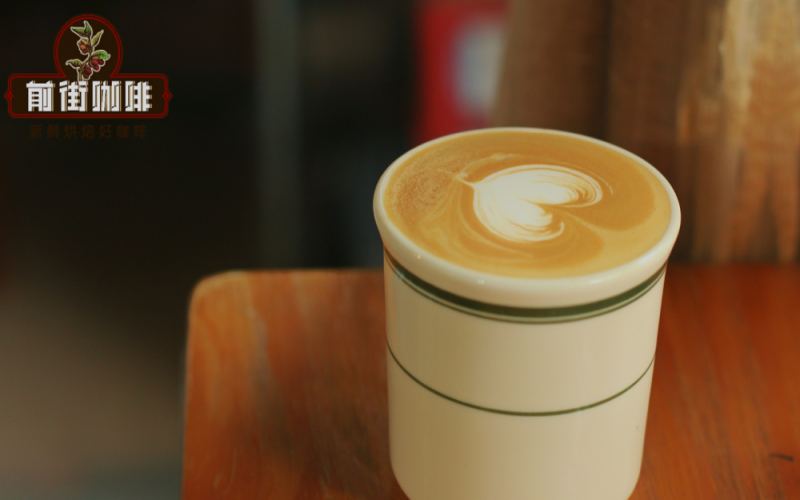
How Is a Flat White Different from a Latte? A Comprehensive Comparison from Ratio and Milk Foam to Flavor, with a Side Note on Dirty Coffee
Flat White, Australian White, Australian Rui White... Why does the same coffee have so many names? How exactly does it differ from a latte? Starting from the production standards of Front Street Coffee, this article provides a detailed comparison of the differences between Flat White and latte in terms of espresso base, cup volume, milk foam thickness, and flavor, and also introduces the differences between Flat White, which can only be made hot, and Dirty coffee, which can only be made iced. The article also includes Front Street's complete extraction parameters for making Flat White and recommended milk-to-coffee ratios, helping coffee enthusiasts recreate an authentic Flat White at home. [more…]
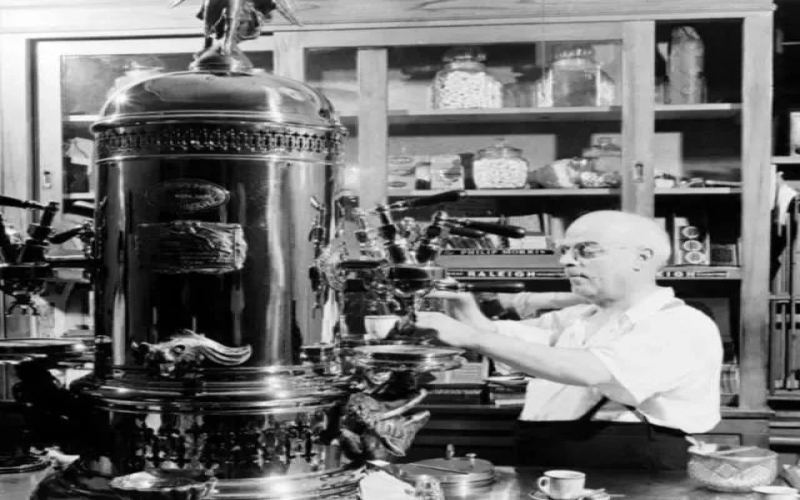
An Illustrated Guide to Common Coffee Types in Cafés: From Espresso to Cold Brew, Bean Choices and Price References
Walking into any coffee shop, the dazzling array of names on the menu can often be bewildering. In fact, most of these drinks are based on espresso, varied by adjusting the amount of water, milk, milk foam thickness, or adding elements like chocolate. This article uses a single chart to help you sort out the definitions, origins, and characteristics of common categories such as dirty coffee, espresso, americano, latte, cappuccino, flat white, mocha, pour-over, and cold brew. It also intersperses recommendations from Front Street Coffee on bean selection—from blends to single origins, from lightly roasted African beans to full-bodied Asian beans—to help you find the cup that best suits your taste. [more…]
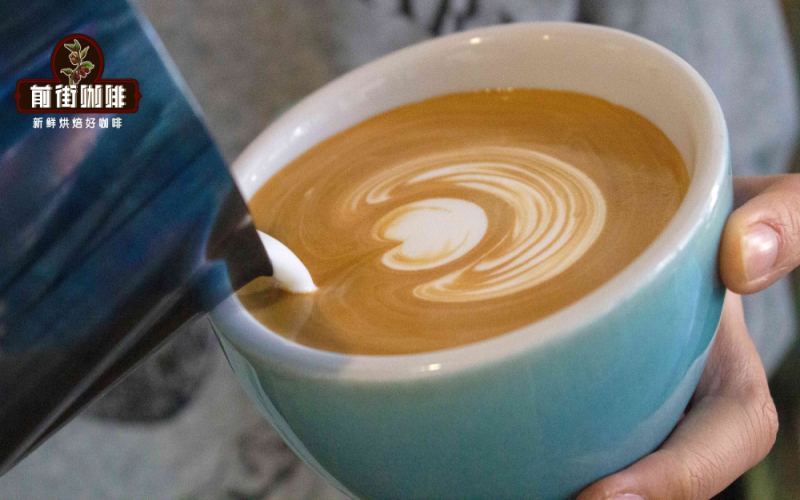
A Detailed Guide to Espresso Ratios: How to Make Lattes, Cappuccinos, and Cold Brew
The charm of espresso lies in the clever ratio of espresso to milk; different proportions create the distinctly different flavor profiles of classic drinks such as latte, cappuccino, and mocha. However, each coffee shop has its own blending approach, and even the same coffee can show subtle variations when paired with different beans. This article systematically sorts out the blending ratios of common espresso drinks, including the specific recipes for latte, cappuccino, and mocha, and combines Front Street Coffee's practical experience to provide detailed parameters for home brewing. In addition, the article extends to the field of black coffee, comparing the preparation processes, coffee-to-water ratios, and flavor differences of Americano, ice drip, and cold brew, helping coffee enthusiasts find the cup that best suits their personal taste preferences. [more…]
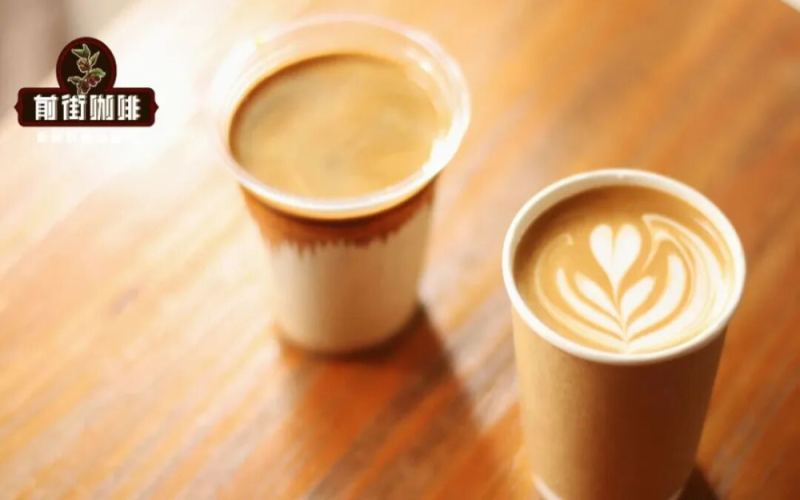
Are Dirty and Flat White Simply Hot and Cold Versions of the Same Drink? A Detailed Explanation of the Differences and Similarities Between Dirty Coffee and Flat White
In specialty coffee shops, Dirty and Flat White are often treated as the default options for testing a barista's skills, even surpassing Americano and Latte in popularity. Someone has put forward an interesting claim: Dirty is just a cold version of Flat White, with the only difference between the two being temperature. Does this viewpoint hold up? To find out the truth, Front Street Coffee decided to put these two milk coffees together for a comprehensive comparison. From bean selection, extraction parameters, and cup volume control, to milk foam condition, temperature management, and the flavor layers on the first sip, we will break down one by one the similarities and differences between Dirty and Flat White in production details and taste experience, to see whether they really are the hot and cold sides of the same cup of coffee. [more…]